
IVF (In Vitro Fertilization) is a ray of hope for couples struggling to have a baby. This advanced procedure, also known as tube baby treatment, helps overcome various fertility issues by fertilizing an egg and sperm outside the body in a specialized IVF lab. At Dzire IVF, Dr. Gouri Sultane, a highly experienced specialist and one of Mumbai’s best IVF doctors, performs this procedure with great expertise. In IVF, embryos are created in the lab and grown for 3 to 5 days before being placed into the uterus. If implantation is successful, it leads to a healthy pregnancy. IVF is often the final option for couples facing infertility due to blocked or damaged fallopian tubes, unexplained infertility, severe male factor infertility, low egg reserve, or premature menopause.
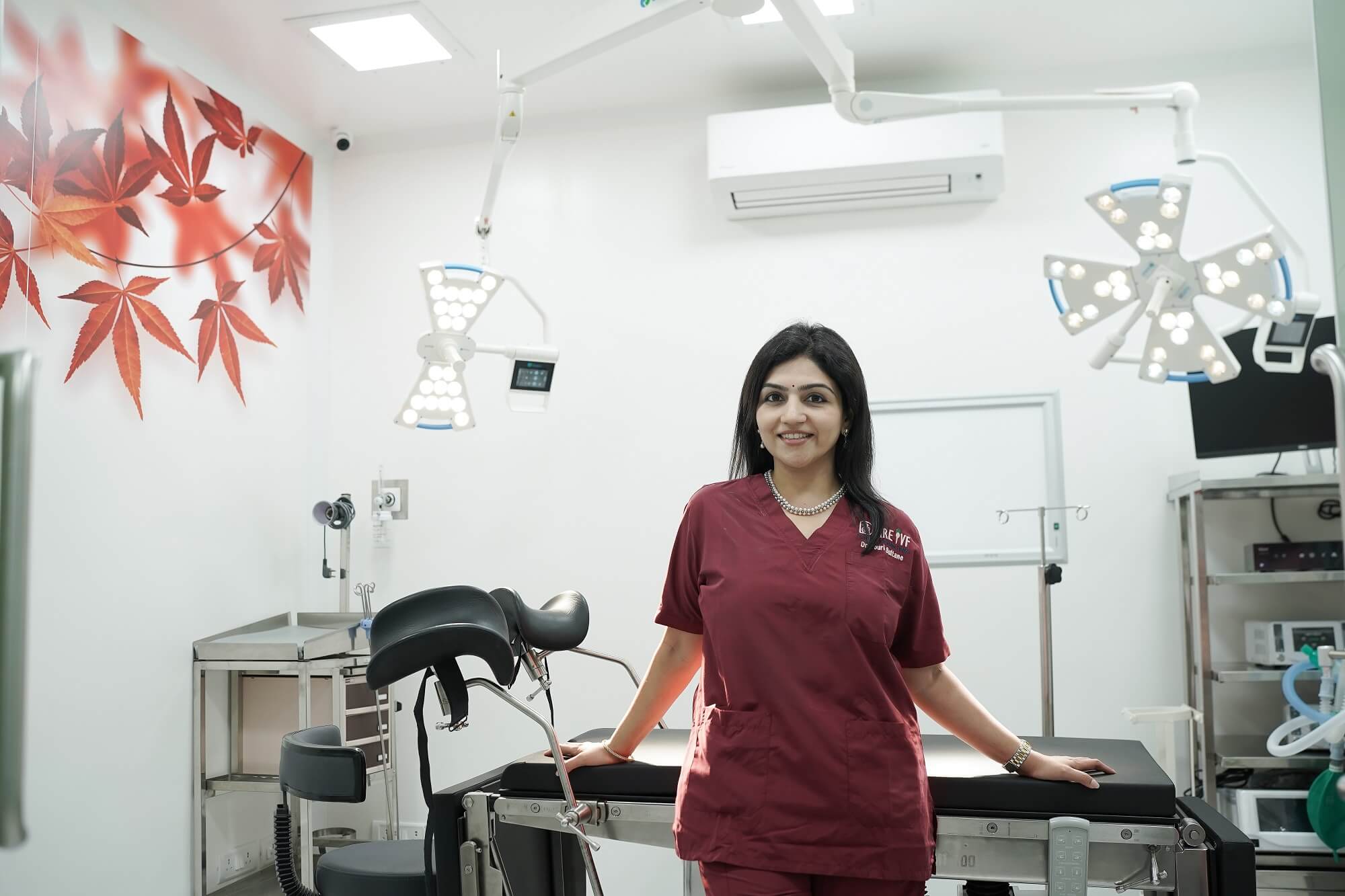
How is IVF (In Vitro Fertilization) Done at the Best IVF Clinic in Kandivali?
Stimulation
Typically, a woman produces one egg during each menstrual cycle, but IVF requires multiple eggs to increase the chances of creating a viable embryo. To achieve this, you’ll be given fertility medications to stimulate your ovaries to produce more eggs. Throughout this process, your doctor will conduct regular blood tests and ultrasounds to track egg production and determine the optimal time for egg retrieval.
Egg Retrieval
Egg retrieval, also known as follicular aspiration, is a minor surgical procedure performed under anesthesia. During the procedure, your doctor will use an ultrasound probe to guide a needle through your vaginal wall and into the ovary. The needle will then collect the eggs and fluid from the follicles.
Insemination
The male partner will provide a semen sample, which is then combined with the eggs in a laboratory dish. If fertilization doesn’t occur naturally, the doctor may opt for ICSI (intracytoplasmic sperm injection), where a single sperm is injected directly into an egg.
Embryo Culture
Once fertilization occurs, the embryos are monitored for growth and development. At this stage, genetic testing may be done to screen for potential inherited disorders.
Transfer
Once the embryos reach the appropriate stage (usually 3 to 5 days after fertilization), they are ready for transfer. This involves inserting a thin tube, called a catheter, through the vagina, cervix, and into the uterus. The embryo is then gently placed into the uterus for implantation.
Who Needs IVF?
- Blocked or Damaged Fallopian Tubes: If the fallopian tubes are unable to transport the egg, IVF can help bypass this issue.
- Male Infertility: Conditions like low sperm count or poor sperm quality may require IVF, sometimes with a technique called ICSI (intracytoplasmic sperm injection), where a single sperm is injected into the egg.
- Ovulation Issues: Women who have irregular or absent ovulation, such as those with polycystic ovary syndrome (PCOS), may turn to IVF if other treatments don’t work.
- Endometriosis: In cases of severe endometriosis, IVF might be necessary when other fertility treatments haven’t been effective.
- Unexplained Infertility: Couples who face infertility without a clear cause may opt for IVF after other methods fail.
Our Fertility Treatments in Kandivali West
At DZIRE IVF, we offer a wide range of fertility treatments, tailored to each patient’s needs:
In Vitro Fertilization (IVF) – Among the most effective treatments, this method helps couples struggling to conceive naturally.
Intracytoplasmic Sperm Injection (ICSI) – Designed for male infertility cases, this specialized IVF procedure significantly improves the chances of success.
Intrauterine Insemination (IUI) – As a minimally invasive alternative, this treatment works well for couples facing mild infertility challenges.
Egg Freezing & Fertility Preservation – Advanced freezing techniques allow individuals to secure their future fertility with confidence.
Donor Programs – To further support couples, we offer donor egg and sperm options for those requiring additional assistance.
Your Parenthood Journey Begins Here!
If you’re looking for reliable IVF treatments in Kandivali, we’re here to support you on your fertility journey.
Book Your Consultation Today! Start your journey to parenthood with Kandivali’s leading IVF clinic.
Faq's
Are IVF injections painful?
IVF injections can be uncomfortable, but the level of pain varies from person to person. Most women report that the injections themselves are not extremely painful, though they can be a bit uncomfortable. The injections are usually given in the fatty tissue of the abdomen or thigh, which can cause a bit of soreness or bruising afterward.
Some people find the smaller, thinner needles less painful, while others may experience more discomfort, especially if they have to give themselves the shots. The medications involved can also cause side effects like bloating, mood changes, or tenderness in the injection area.
If you’re concerned, you could always talk to your doctor or nurse about strategies to make the process more comfortable, such as using numbing creams or ice packs before the injection.
Can IVF cause cancer?
There is no conclusive evidence that IVF directly causes cancer. While some studies have raised concerns about fertility drugs and potential risks like ovarian cancer, most research does not show a significant link between IVF and cancer. Any potential risks are more likely associated with underlying fertility issues rather than the IVF procedure itself. It’s always important to talk to your doctor to discuss any concerns and get personalized advice based on your health and medical history.
Can IVF be successful with low amh?
Yes, IVF can still be successful with low AMH (anti-Müllerian hormone) levels, but it may be more challenging. AMH is a marker of ovarian reserve, and lower levels suggest fewer eggs available for fertilization. However, many women with low AMH have successful IVF outcomes, especially with careful treatment planning, including personalized medication protocols and possibly using egg donors if needed. Your fertility specialist can guide you on the best approach based on your specific situation.
Can IVF be done after menopause?
Yes, IVF can be done after menopause, but it depends on individual circumstances. Since menopause means the ovaries no longer produce eggs, women typically need an egg donor for IVF. In some cases, if a woman has frozen eggs or embryos before menopause, those can be used for IVF. Hormone replacement therapy (HRT) is often used to prepare the uterus for embryo implantation. It’s important to consult a fertility specialist to understand the best options based on your health and age.
Can IVF make twins?
Yes, IVF can result in twins or even higher-order multiples, though it’s not guaranteed. This typically happens when multiple embryos are implanted during the IVF process, increasing the chances of more than one embryo implanting and developing. However, doctors often aim to reduce the risk of multiples by transferring fewer embryos, especially since multiple pregnancies can carry higher health risks for both the mother and babies. The number of embryos transferred is usually tailored to the individual’s situation.